

Benefits and Challenges of Technology in the Classroom
Jump to Section
Want to see more?
Bring the power of GoGuardian to your school or district today.

Summary
- Shift the conversation from screen time to meaningful screen value.
- Discover how technology can increase engagement, collaboration, and learning.
- Learn practical ways to manage AI, distractions, and online safety in the classroom.
- See how GoGuardian helps keep classroom technology focused, safe, and effective.
Teachers have always competed for student attention. What's changed is what they are competing against. AI chatbots, an endless supply of proxy sites, and algorithm-tuned video feeds now sit one tab away from every lesson, and the conversation in schools has shifted with them. Screen time and AI use have now become board-level policy questions, not just a classroom concern. Leaders are being asked how much time students spend on devices and whether that time is doing anything for learning.
The space in between pulling tech out and letting it run unchecked is where good teaching happens. Getting there takes the right tools to keep students focused, safe, and on task, which is where GoGuardian Teacher and Admin come in.
Screen time vs. screen value
The goal was never to reduce or increase screen time, but rather make the time count.
A lot of what got called "digital learning" over the last decade was really just an old format moved onto a screen: A worksheet turned into a Google Slide, a chapter turned into a PDF, or a video followed by the same comprehension questions you'd have asked on paper. The device was on, so it counted as tech integration. But nothing about the actual learning itself changed.
Screen value asks a simple question of any device activity: Is this doing something the analog version couldn't? Real examples of screen value in a classroom look like:
- A dense text a grade level or two above where most students are reading, made accessible because students can interview the characters through a guided chatbot before they discuss it, so everyone arrives at the conversation on level ground.
- Instant feedback on a piece of writing, so a student can revise in the moment instead of waiting a week for a marked-up draft.
- A short, intentional AI checkpoint mid-lesson, such as, “check whether your topic sentence actually states a claim,” rather than a chatbot standing in for the whole assignment.
None of that is about giving your teaching over to a tool. An AI moment should only be five or ten minutes of a lesson, used deliberately, then set aside. It enhances the learning rather than replaces the teacher.
Benefits of technology in the classroom
When used with intention, technology helps teachers support and enhance learning, connect with students, and give learners new ways to engage with information. With clear objectives and responsible guidance, students build digital skills that have been linked to stronger academic outcomes and better preparation for life after graduation.
Increased student engagement
Students already live in technology for entertainment and connection. The platforms shift constantly, but the point is that pop culture, current events, and the media students already care about are raw material for more relatable lessons. Music, video, podcasts, and interactive activities can turn a flat unit into one students actually lean into. AI extends this: A well-designed activity can let students explore a topic through questions and conversation rather than passively receiving it.
Encouraging teamwork and collaboration
Collaboration is a life skill, and technology creates natural ways to practice it, including:
- Co-authoring in a shared doc
- Building a class wiki
- Working through a gamified challenge that only gets solved as a team
Structured group work with a clear objective turns "using the Chromebook" into genuine collaborative learning.
Preparing students for life after graduation
Navigating technology effectively is no longer optional after K-12. College courses run online and hybrid formats, and nearly every career expects fluency with email, digital calendars, research tools, and, increasingly, AI. Students who learn to use these tools with judgment, not just consume them, are the ones who walk out prepared.
Connecting students and teachers
Technology opens new channels to strengthen relationships and build a supportive classroom. Use class email for tutoring and mentorship, surveys to gather honest feedback on your lessons, and GoGuardian Teacher's chat function to check in privately with a student who's off task or struggling (often before they'd ever raise a hand).
Improved outcomes
Educational technology lets you design for deeper comprehension: Inquiry-based lessons where students research independently, form questions, and problem-solve their way to understanding. Use the Screen View function of GoGuardian Teacher to keep students on task, and have them send a quick end-of-class message through the chat function summarizing what they learned.
Supporting differentiated instruction
The Scenes function in GoGuardian Teacher lets you define exactly which sites and pages students can reach during a given lesson. It's useful for test integrity, such as limiting access to just the testing page, and just as useful for self-paced work, where you hand students a curated set of articles, videos, and activities to work through in their own way.
Challenges of integrating technology in the classroom
Technology is omnipresent in K-12, and the challenges have only expanded. From cost to training and safety, and now how to keep AI and open devices from pulling students away from learning…all are real considerations. GoGuardian Admin and Teacher are built to address them, keeping students focused, challenged, and safe without asking teachers to hover over every screen.
Students misusing technology, including AI
Students will always look for the entertaining path over the educational one. The old school version is a student copying a test question, pasting it into a search engine, and grabbing the answer in the seconds before you walk by. GoGuardian Admin is built to close these gaps. It can detect and block VPNs and proxies, the usual routes around web filters to reach games, social media, or inappropriate content, and prevent access to incognito modes via USB. With GoGuardian Teacher, you can lock student devices when they aren't needed, so screens stay closed during a video, presentation, or guest speaker.
AI is pushing a lot of teachers to rethink what they're asking students to do, and toward work where the thinking, not just the answer, is the point. Technology can support that shift rather than undermine it.
Video: the distraction that's hiding in plain sight
Blocking social media is the easy part. The sneakier problem is a student who looks on-task but has actually spent the entire class watching videos, and can surface a fresh proxy link with a few clicks the moment one gets blocked. It's a constant game of whack-a-mole. GoGuardian Admin's YouTube filtering gives you layered control, governing not just whether YouTube loads, but video playback, channels, categories, comments, and Shorts, so you can allow the instructional video you want without opening the door to the algorithm's rabbit hole.
Keeping students safe online
More edtech means more exposure to graphic content, online predators, scammers, and cyberbullying. Features of GoGuardian Admin and Teacher, like keyword blocking and smart alerts, help mitigate these risks while teaching students to be responsible digital citizens.
Helping teachers feel ready instead of overwhelmed
Discomfort with new technology and a lack of time and training to get comfortable is one of the most common reasons integration stalls. This is especially true with AI, where the tools change faster than any PD calendar. GoGuardian professional services train educators on using the platform to support digital learning, and a large library of teacher resources is available online.
Cost of new technology
Not every classroom budget can absorb new tools, and the good news is that plenty of high-value integration costs nothing extra:
- Creating a classroom blog through a free site
- Offering students a choice of technology-based projects to show learning (a podcast, essay, video, or slide deck)
- Building a shared online calendar with due dates, test dates, and events students can sync to their devices
- Bundling services through a single vendor and platform to reduce cost
Knowing whether it's working
At the classroom level, knowing whether any of this is working is shown by the end-of-class comprehension check, the Screen View glance, the writing that visibly improves after instant feedback. At the district level, tools like Screen Time reporting in GoGuardian Admin give leaders the fuller picture, including how much time is spent in-session versus out, in-school versus out-of-school, and on which categories of sites, so screen-time conversations are grounded in data rather than assumption.
GoGuardian Discover, recently named a 2026 CODiE Award winner for best emerging edtech for administrators, can also help in this endeavor. Its new Screen Time Insights help schools see not just how much students are on devices, but whether that time is landing on approved, purposeful tools, connecting the classroom instinct for screen time value to a picture the whole district can act on.
Note: This blog was originally published on November 5, 2019, and was last updated on July 27, 2026.

GoGuardian Team
Related Posts
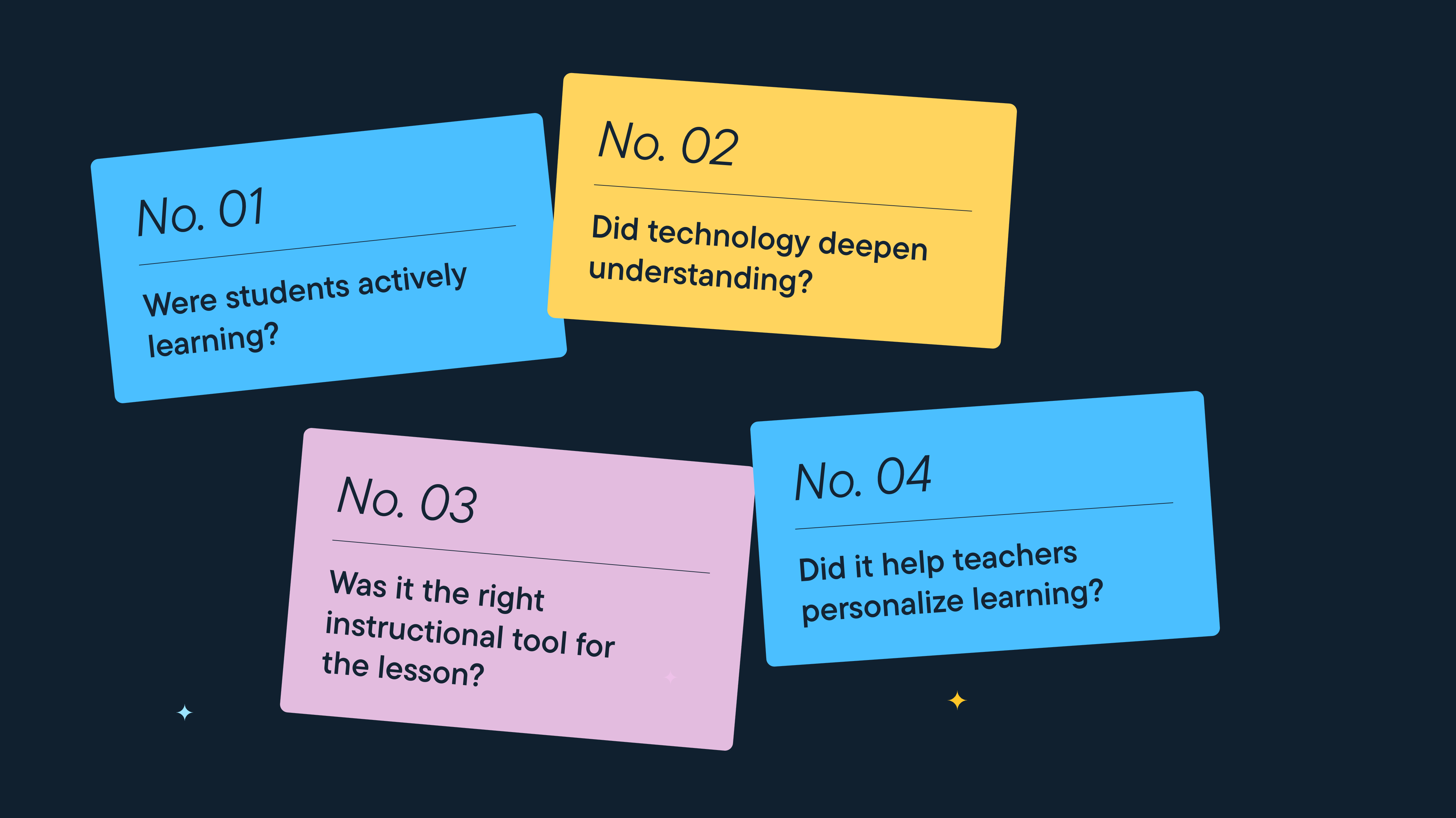
Better Screen Time Policy Starts with Asking Better Questions
As states weigh classroom screen time limits, education leaders urge a nuanced approach focused on quality instruction, educator trust, and future readiness.
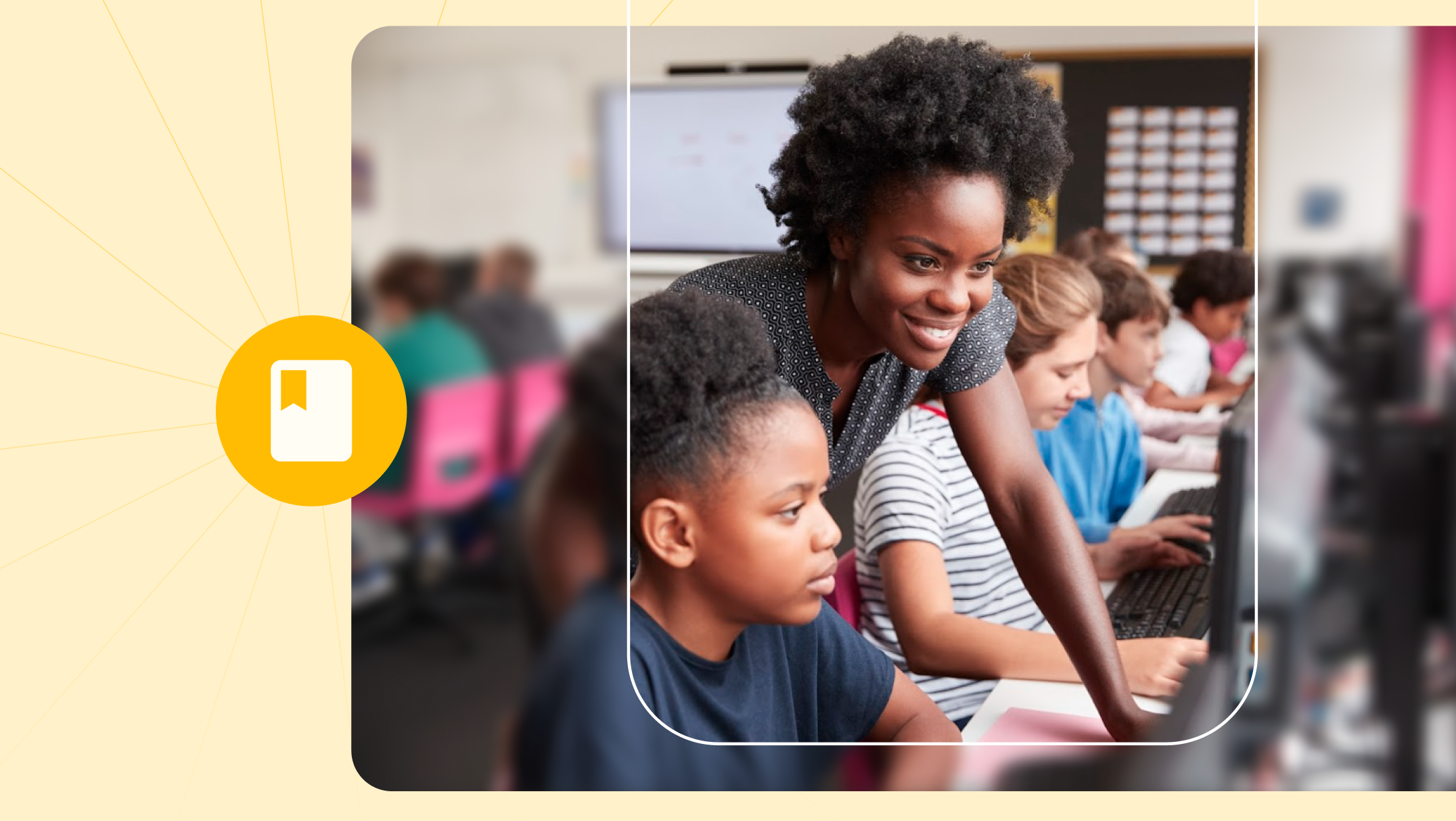
Rethinking Screen Time: What District Leaders Actually Recommend
As districts reconsider 1:1 devices over screen time concerns, education leaders say the answer isn't fewer devices, but more intentional instruction.
Why Quality Matters More Than Quantity When It Comes to Screen Time
Education leaders say focus less on screen time limits and more on how technology supports student learning.
Bring the power of GoGuardian to your school or district today.